
The secrets behind the psychology of gambling revealed
The Allure of Risk and Reward
The psychology of gambling is deeply intertwined with the allure of risk and reward. When individuals gamble, they are often motivated by the thrill of potentially winning significant sums of money. This anticipation triggers the release of dopamine in the brain, a chemical associated with pleasure and reward. The excitement of gambling feeds into a cycle where the potential for a big win reinforces the behavior, making players want to engage in gambling activities more frequently. To explore the options available, you can find australia’s best online casino that offers diverse gaming experiences and rewards. This response can create a strong emotional attachment to the act of betting.
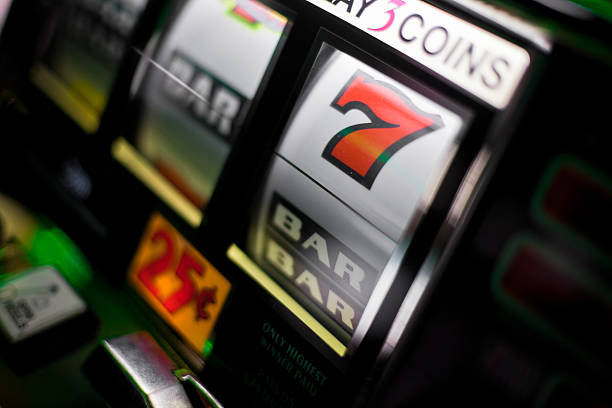
Moreover, the risk involved in gambling can be highly enticing. Many gamblers may find themselves drawn to the adrenaline rush that comes from placing bets. This sensation can overshadow the realistic odds of winning, leading individuals to overlook the inherent risks. The psychological phenomenon of «near misses» can also come into play; when a player almost wins, it can lead them to believe that success is just around the corner, encouraging them to continue gambling in hopes of that elusive big win.
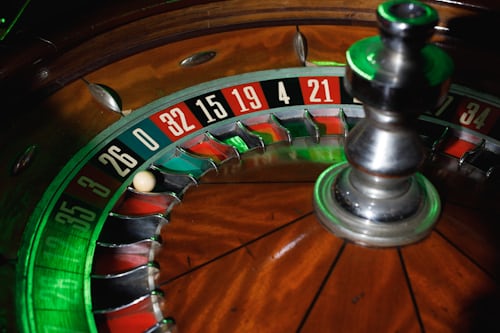
In this context, the environment of a casino plays a crucial role. From bright lights to enticing sounds, casinos are designed to keep players engaged. The atmosphere can create a sense of excitement, making it easy to lose track of time and money spent. This sensory overload enhances the thrill of gambling, contributing further to the psychological grip it has on individuals. Understanding these factors is essential to grasp why gambling is so appealing to so many.
The Role of Cognitive Biases
Cognitive biases significantly shape the way gamblers perceive risks and rewards. One common bias is the «gambler’s fallacy,» which is the mistaken belief that past events influence future outcomes in independent games of chance. For instance, a player might think that after several losses, a win is «due.» This flawed reasoning can lead to irrational betting patterns and increased wagering, as the individual feels that luck must change in their favor. Such biases can distort reality and contribute to problem gambling behaviors.
Another relevant bias is the «illusion of control,» where gamblers believe they can influence the outcomes of games that are purely based on chance. For example, a player may think that specific strategies or rituals can increase their odds, even in games like slot machines, which are entirely random. This sense of control can lead to more frequent gambling as players mistakenly feel empowered to change their luck. Recognizing these biases is crucial for understanding why many individuals become entrenched in gambling habits.
Lastly, the «availability heuristic» plays a role in how gamblers assess risk. This cognitive shortcut leads individuals to judge the likelihood of an event based on how easily they can recall instances of it occurring. If someone remembers a friend winning big at a casino, they may overestimate their own chances of winning. This skewed perception drives continued engagement in gambling activities, reinforcing the cycle of addiction and misleading optimism about outcomes.
The Impact of Social Dynamics
The social environment surrounding gambling can also influence behavior significantly. Many people gamble with friends or family, leading to a communal experience that enhances the thrill. This social aspect can foster competition, making it more enjoyable and encouraging more frequent participation. Additionally, social settings can normalize gambling behaviors, leading individuals to perceive gambling as a typical leisure activity rather than a risky endeavor. The pressure to conform to social norms can further influence one’s gambling habits.
Peer influence plays a crucial role in this dynamic. When friends or relatives engage in gambling, it can create a sense of camaraderie, making it difficult for individuals to resist joining in. This can lead to a cycle where individuals feel compelled to gamble to maintain social connections, often disregarding personal financial boundaries. The shared experience of gambling can also enhance the joy of winning, making losses feel less impactful when shared among peers.
On a broader scale, cultural attitudes toward gambling can shape individual perceptions. In cultures where gambling is celebrated and seen as a form of entertainment, individuals may feel less inclined to view it as a risky activity. The normalization of gambling can encourage participation, even among those who might typically refrain from such activities. Thus, understanding the social dynamics at play is essential to grasp the full scope of gambling behavior.
Emotional and Psychological Consequences
The emotional and psychological consequences of gambling can be profound and often devastating. For many, the initial thrill and enjoyment can quickly give way to feelings of anxiety, guilt, and shame. As individuals gamble more, they may begin to experience emotional distress, particularly when losses accumulate. This distress can lead to a cycle of emotional gambling, where individuals use betting as a means to escape negative feelings or stress, further exacerbating their problems.
Moreover, gambling can strain relationships with family and friends. As individuals prioritize their gambling habits, they may neglect personal responsibilities and social obligations. This can lead to feelings of isolation and disconnection, which can exacerbate the psychological impact of gambling addiction. The emotional fallout from gambling can create a sense of helplessness, driving individuals deeper into their addiction and making it challenging to seek help or change their behavior.
Finally, financial consequences can lead to significant stress and anxiety. Many gamblers find themselves in precarious financial situations due to their betting habits, leading to debt and financial instability. This situation can create a vicious cycle, as the stress of financial burdens may drive individuals back to gambling in search of a solution. Understanding these emotional and psychological aspects is crucial for recognizing the severity of gambling addiction and the need for effective intervention.
Your Ultimate Resource for Informed Gambling
For anyone interested in gambling, especially in online formats, having a reliable source of information is essential. The website dedicated to online gaming enthusiasts offers extensive resources that help users navigate the world of online casinos safely. By providing expert evaluations of various platforms, the site ensures that players make informed decisions based on security, game variety, and customer service. This level of detail allows users to find reputable casinos that match their preferences while minimizing risks associated with online gambling.
Additionally, the website highlights exclusive bonuses and promotions available from top-rated online casinos, providing valuable opportunities for players to maximize their experience. From expert rankings to up-to-date information, users can stay informed about the latest trends and developments in online gambling. By empowering users with knowledge, the site promotes a safer gambling environment and encourages responsible gaming practices.
In a world where the psychology of gambling can lead to both thrilling experiences and potential pitfalls, having access to trusted information can make all the difference. By leveraging the resources available on the site, players can enjoy the excitement of gambling while being mindful of their habits and choices, ultimately leading to a more enjoyable and safer gaming experience.